
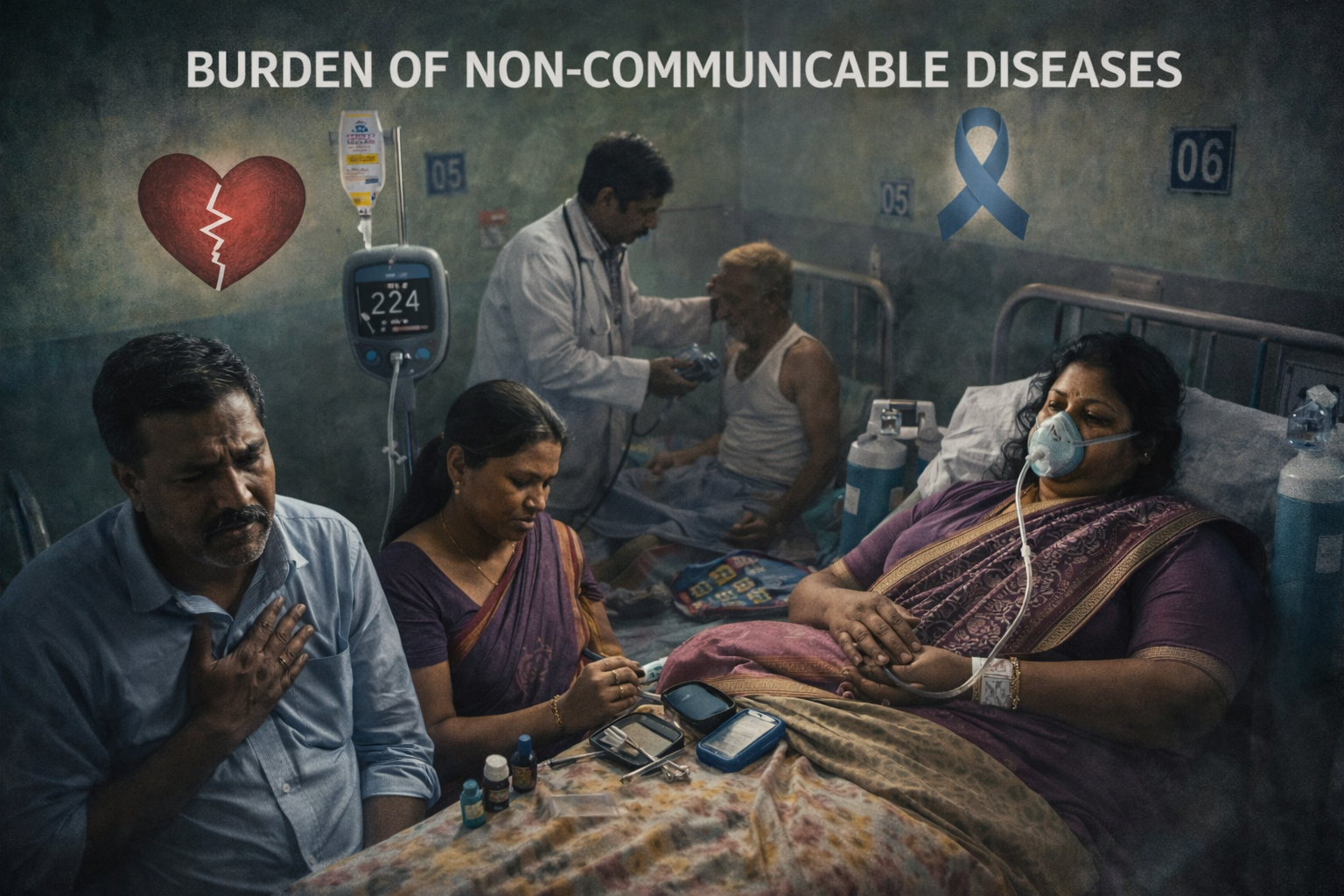
Non-communicable diseases (NCDs) have emerged as the leading cause of morbidity and mortality globally, reflecting a significant epidemiological transition from infectious diseases to chronic conditions. In India, this shift is particularly pronounced, with NCDs accounting for more than two-thirds of total deaths. Gujarat, as one of the country’s rapidly urbanizing and industrializing states, exemplifies this transition. The increasing prevalence of conditions such as diabetes mellitus, hypertension, cardiovascular diseases, cancers, and chronic respiratory illnesses presents a multifaceted challenge. These diseases are not merely clinical entities but are deeply rooted in behavioural, social, and environmental determinants, requiring a comprehensive public health response.
Epidemiological Context in Gujarat
Recent public health efforts in Gujarat, particularly large-scale population-based screening initiatives targeting individuals aged 30 years and above have provided valuable insights into the burden of NCDs. Emerging trends indicate that a substantial proportion of the adult population is affected by hypertension and diabetes, with prevalence increasing significantly with age. Urban populations demonstrate a higher disease burden, largely attributable to sedentary lifestyles, dietary transitions, and environmental exposures. Notably, a considerable number of individuals remain asymptomatic at the time of diagnosis, highlighting the silent progression of these conditions and the critical importance of systematic screening. These patterns mirror national trends, underscoring the persistent and expanding nature of the NCD burden.
Determinants and Risk Factors
The rise of NCDs in Gujarat can be understood through the interaction of multiple risk factors:
1. Behavioural Risk Factors - Lifestyle transitions associated with urbanization have significantly altered daily habits:
- Reduced physical activity due to sedentary occupations
- Increased consumption of processed and calorie-dense foods
- High intake of refined carbohydrates and sugars
- Tobacco use in both smoking and smokeless forms
- Alcohol consumption contributing to chronic disease risk
2. Metabolic Risk Factors - These behavioural patterns contribute to underlying physiological changes:
- Overweight and obesity
- Elevated blood pressure
- Hyperglycaemia
- Dyslipidaemia
These conditions often remain undiagnosed until complications arise, reinforcing the need for early detection.
3. Socioeconomic and Environmental Determinants - Broader structural factors further exacerbate the burden:
- Rapid urbanization and changing work environments
- Limited access to safe and accessible spaces for physical activity
- Gaps in health literacy affecting preventive behaviours
- Economic constraints influencing dietary choices and healthcare access
Clinical and Public Health Challenges
NCDs present distinct challenges compared to communicable diseases. Their chronic nature necessitates lifelong management and sustained interaction with healthcare systems. This creates a significant economic burden, particularly due to out-of-pocket expenditures for long-term treatment.
Delayed diagnosis remains a critical issue, as many NCDs are asymptomatic in early stages. Consequently, patients often present with complications such as stroke, myocardial infarction, kidney failure, and long-term disability.
Additionally, multimorbidity the coexistence of multiple chronic conditions further complicates management, especially among older adults, requiring integrated and patient - cantered care approaches.
Public Health Response in Gujarat
Gujarat state has demonstrated a proactive approach to addressing NCDs through strategies aligned with national health programs.
1. Population-Based Screening: Systematic screening for hypertension, diabetes, and common cancers has been scaled across primary healthcare settings. This facilitates early detection, risk stratification, and timely initiation of treatment.
2. Strengthening Primary Healthcare Systems: Primary Health Centres and Health and Wellness Centres are increasingly equipped to deliver:
- Basic diagnostic services
- Essential medications
- Continuity of care through regular follow-up
3. Community Engagement: Frontline health workers, including ASHAs and ANMs, play a crucial role in bridging the gap between communities and healthcare systems by:
- Promoting awareness
- Supporting behavioural change
- Ensuring follow-up and adherence to treatment
The Need for a Comprehensive Approach
While current interventions mark significant progress, addressing NCDs effectively requires a broader, integrated strategy.
1. Prevention-Centered Healthcare: A paradigm shift from curative to preventive care is essential. This includes promoting physical activity, encouraging balanced and culturally appropriate diets, and reducing tobacco and alcohol use.
2. Health Promotion and Education: Improving health literacy is critical to empowering individuals to adopt and sustain healthier lifestyles.
3. Integration of Psychosocial Care: Chronic diseases extend beyond physical health, often affecting mental well-being and social functioning. Integrating psychosocial support into NCD care can enhance treatment adherence and overall quality of life.
4. Policy and Environmental Interventions: Sustainable impact requires supportive environments and policies, such as: Urban planning that encourages walk ability and active living; regulation of unhealthy food products and implementation of workplace wellness programs
The growing burden of non-communicable diseases in Gujarat represents a critical public health challenge that demands coordinated, sustained, and evidence-based action. While advancements in screening and primary healthcare strengthening are promising, long-term success will depend on addressing the underlying behavioural and social determinants of health. A comprehensive approach integrating prevention, early detection, effective clinical management, and community engagement is essential to mitigate the impact of NCDs and improve population health outcomes. Ultimately, the response to NCDs must extend beyond the healthcare system, evolving into a broader societal commitment to healthier living and well-being.
About the author:
Dr Drishti Kansara is Secretary at CHD Group and a public health professional.