Holding UNECOSOC Special Consultative Status
Holding UNECOSOC Special Consultative Status
Projects Completed
Beneficiaries Reached
Volunteers Engaged
States
Districts
Villages
Collaborators
Events Organized
Recognitions
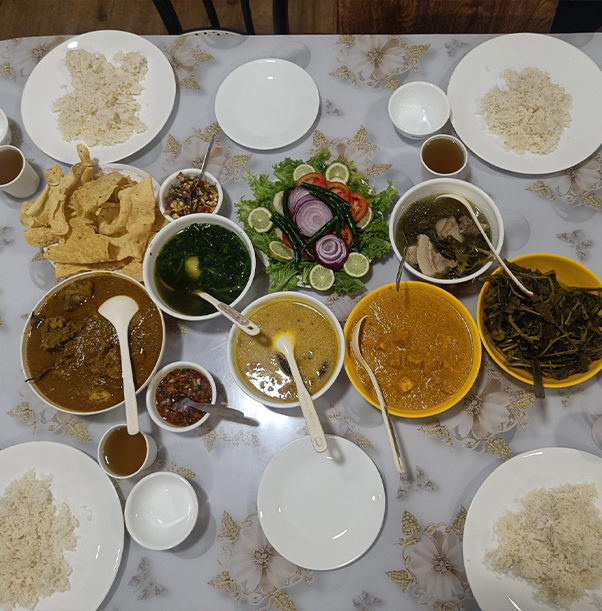
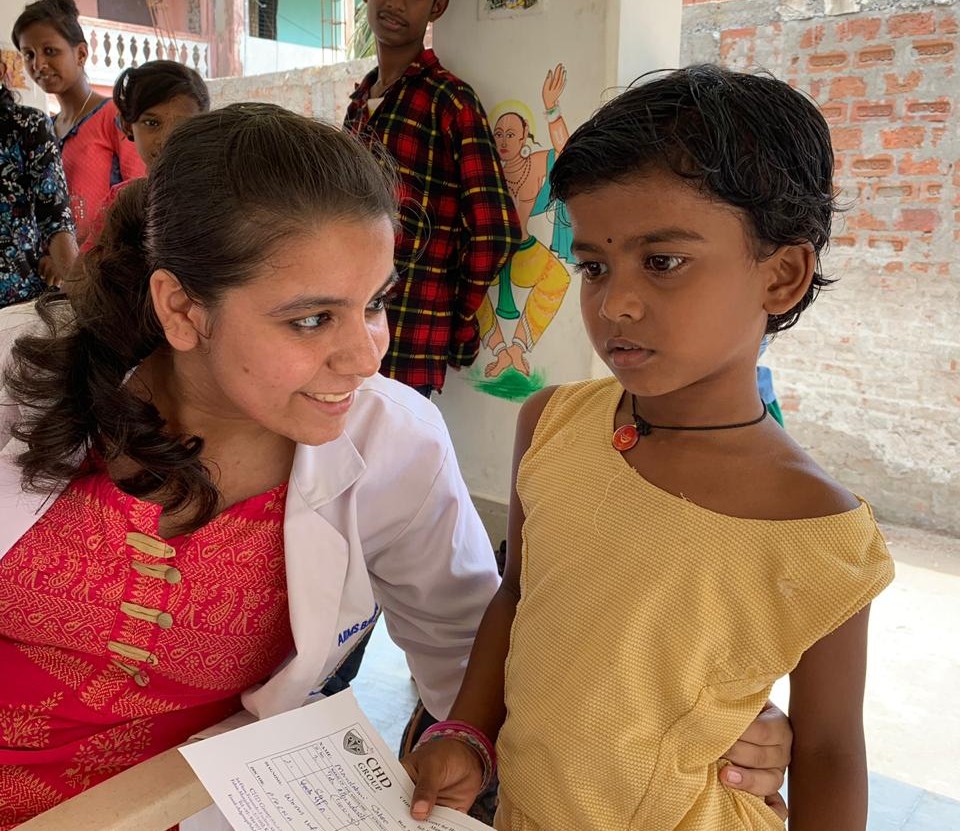
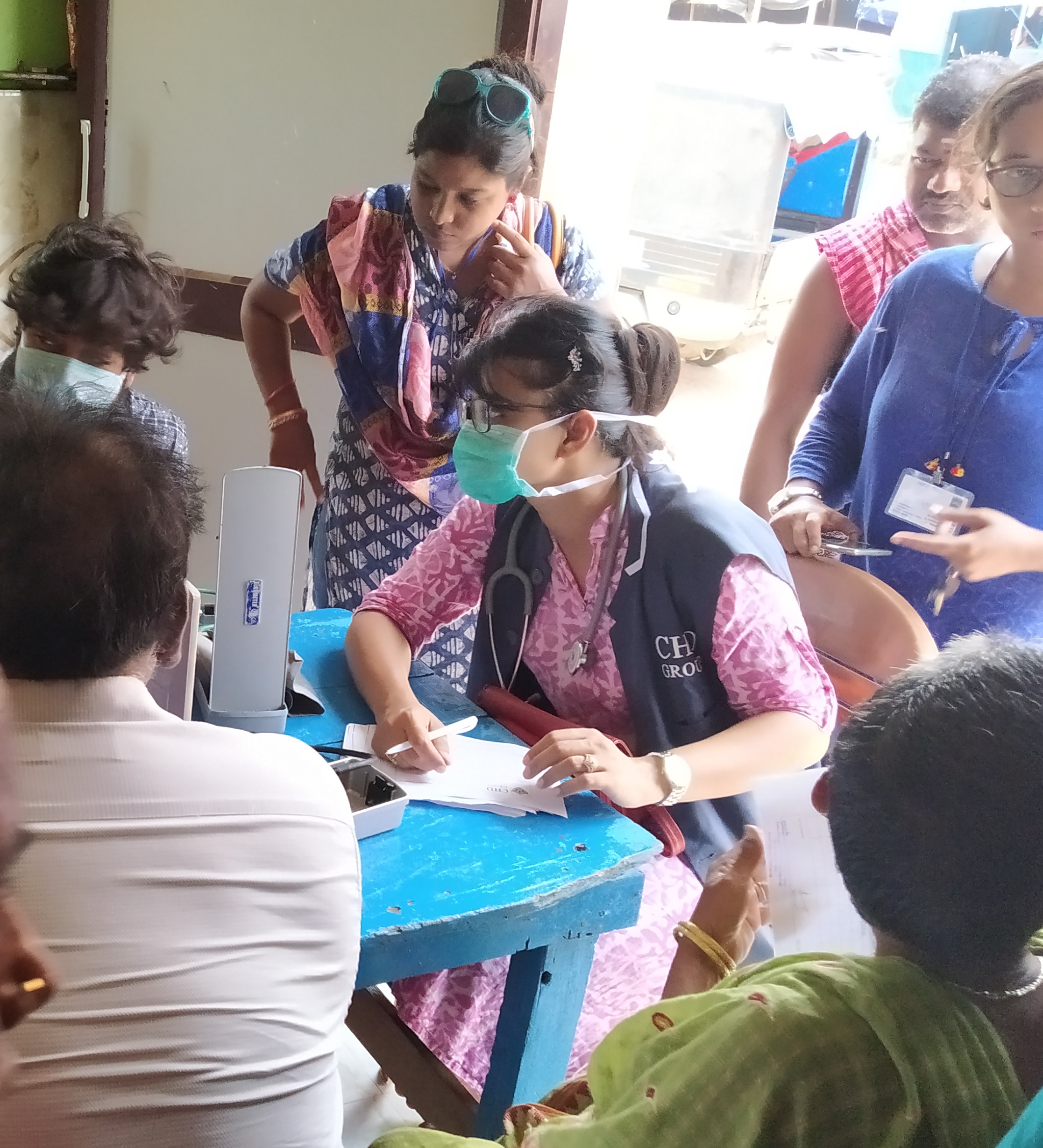
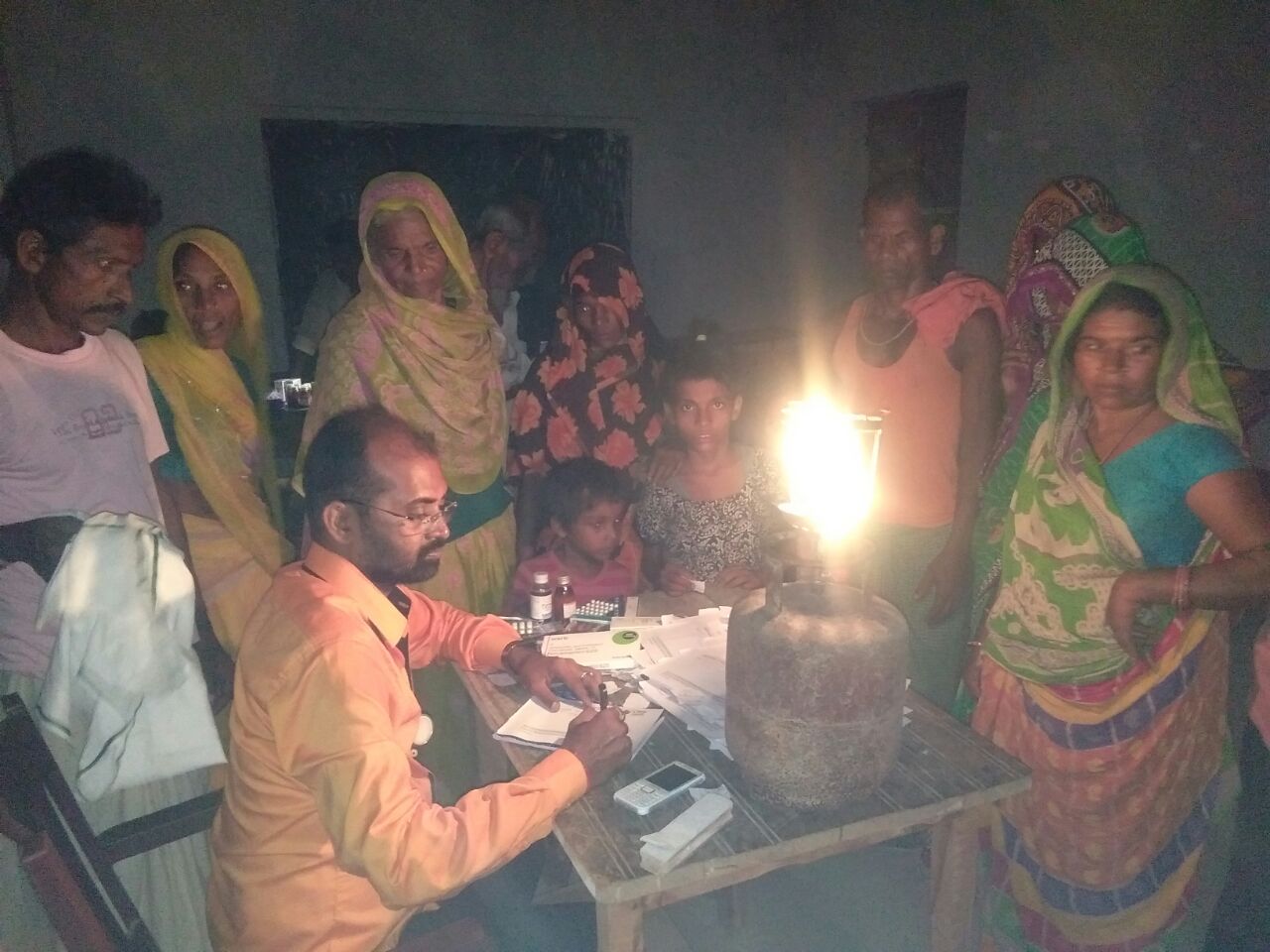
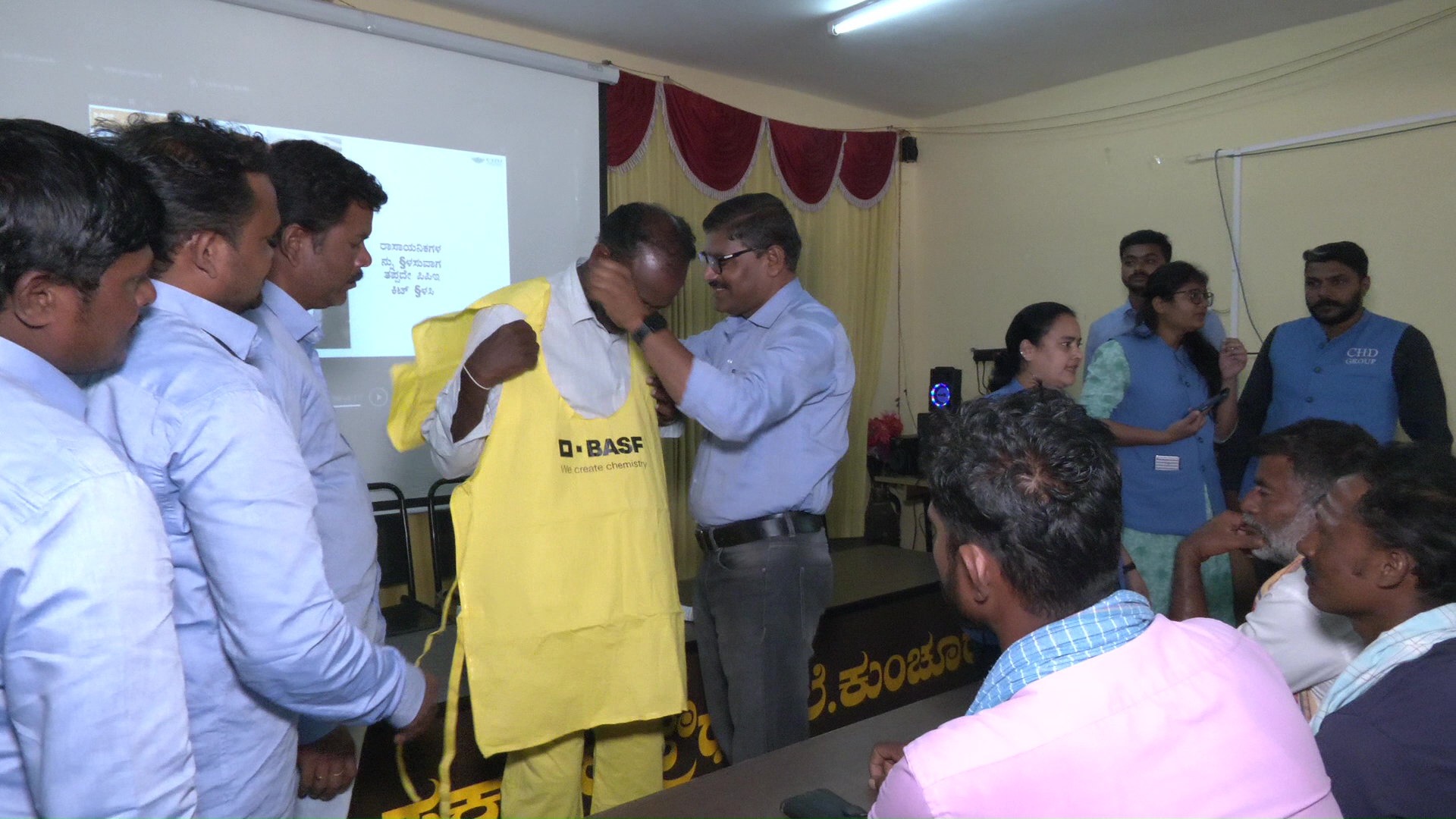
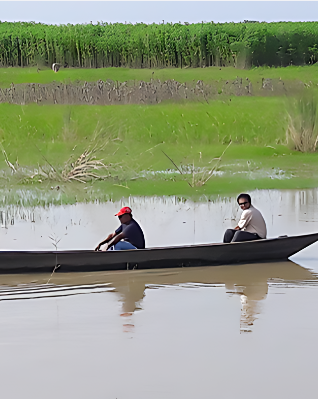
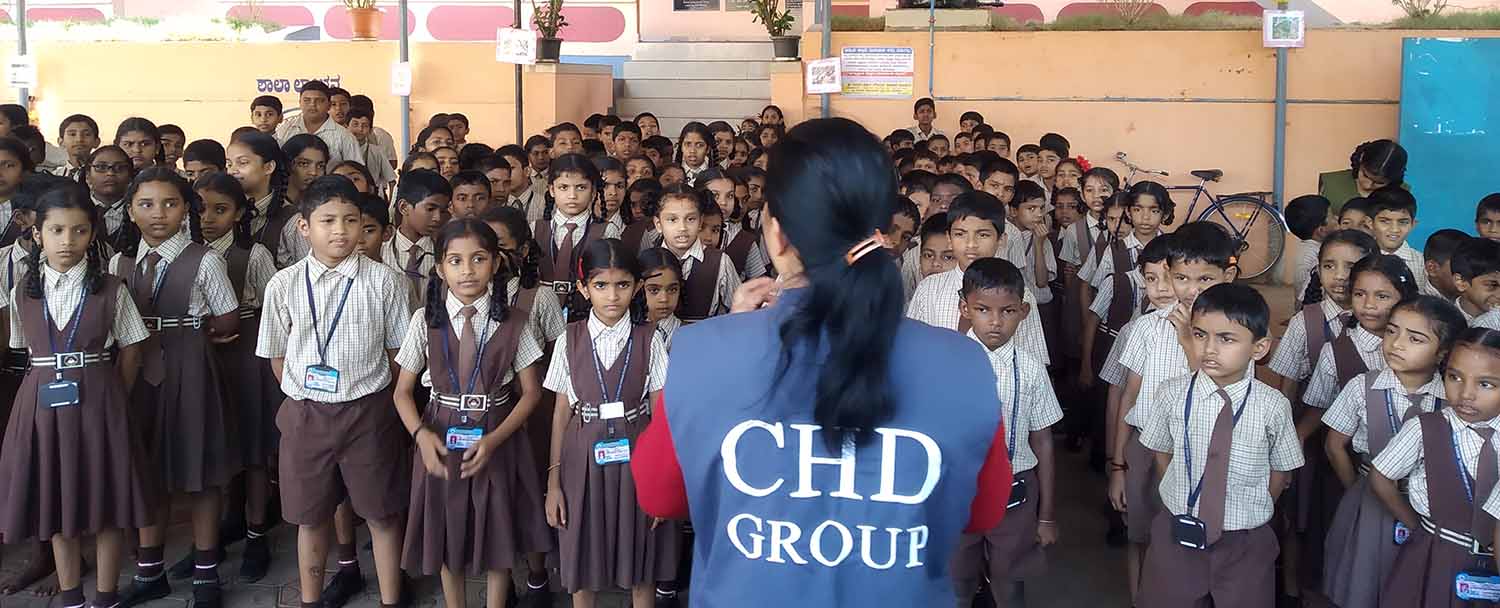
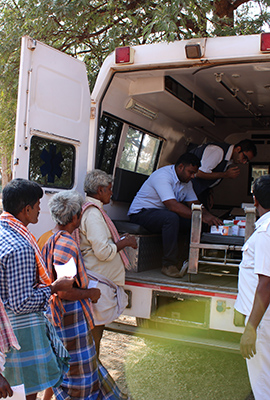
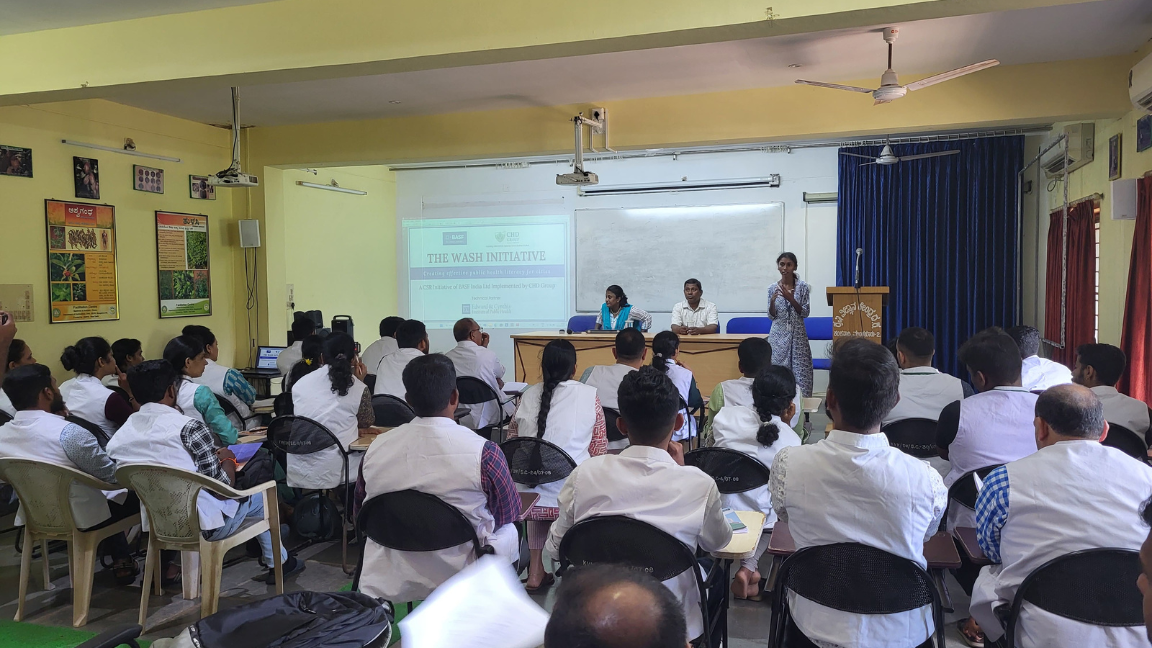
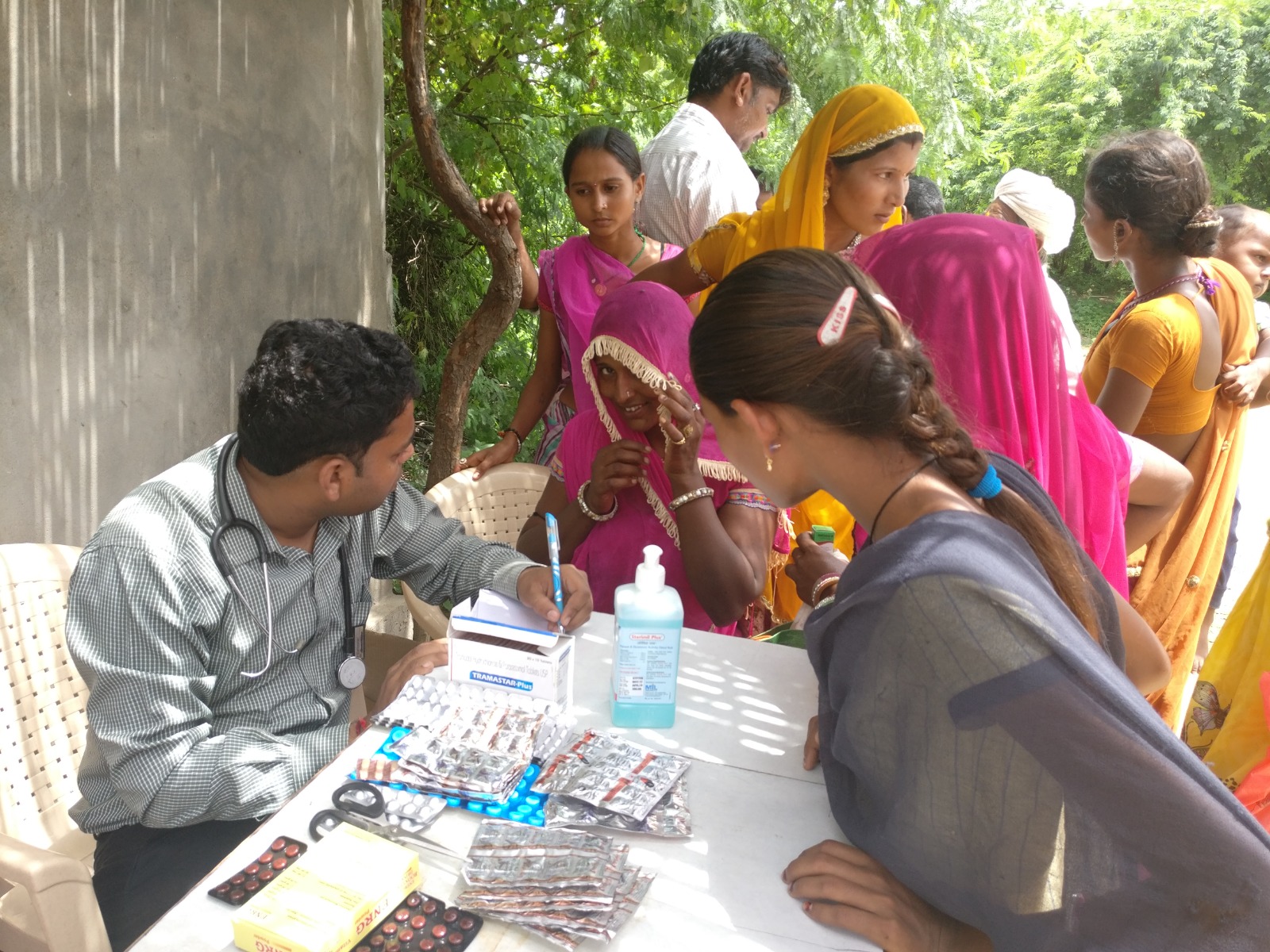
Explore our multi-dimensional strategies that drive sustainable impact and innovation.
Holds Special Consultative Status with United Nations ECOSOC.
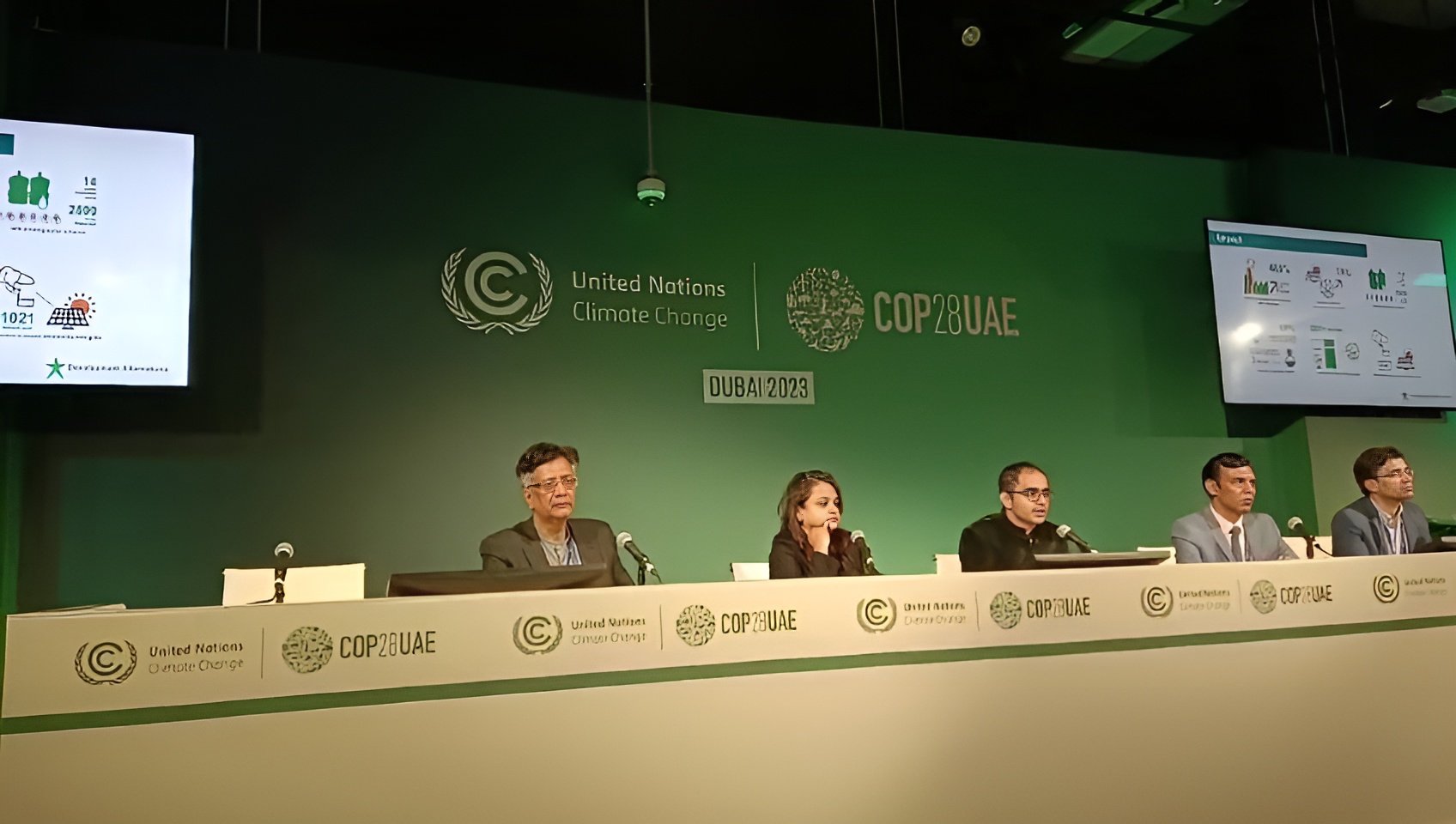
Recognized as an official UNFCCC observer.
Awarded as best NGO for quick community response by ASSOCHAM.
Featured by Jagran News among India’s top 100 NGOs making a difference.
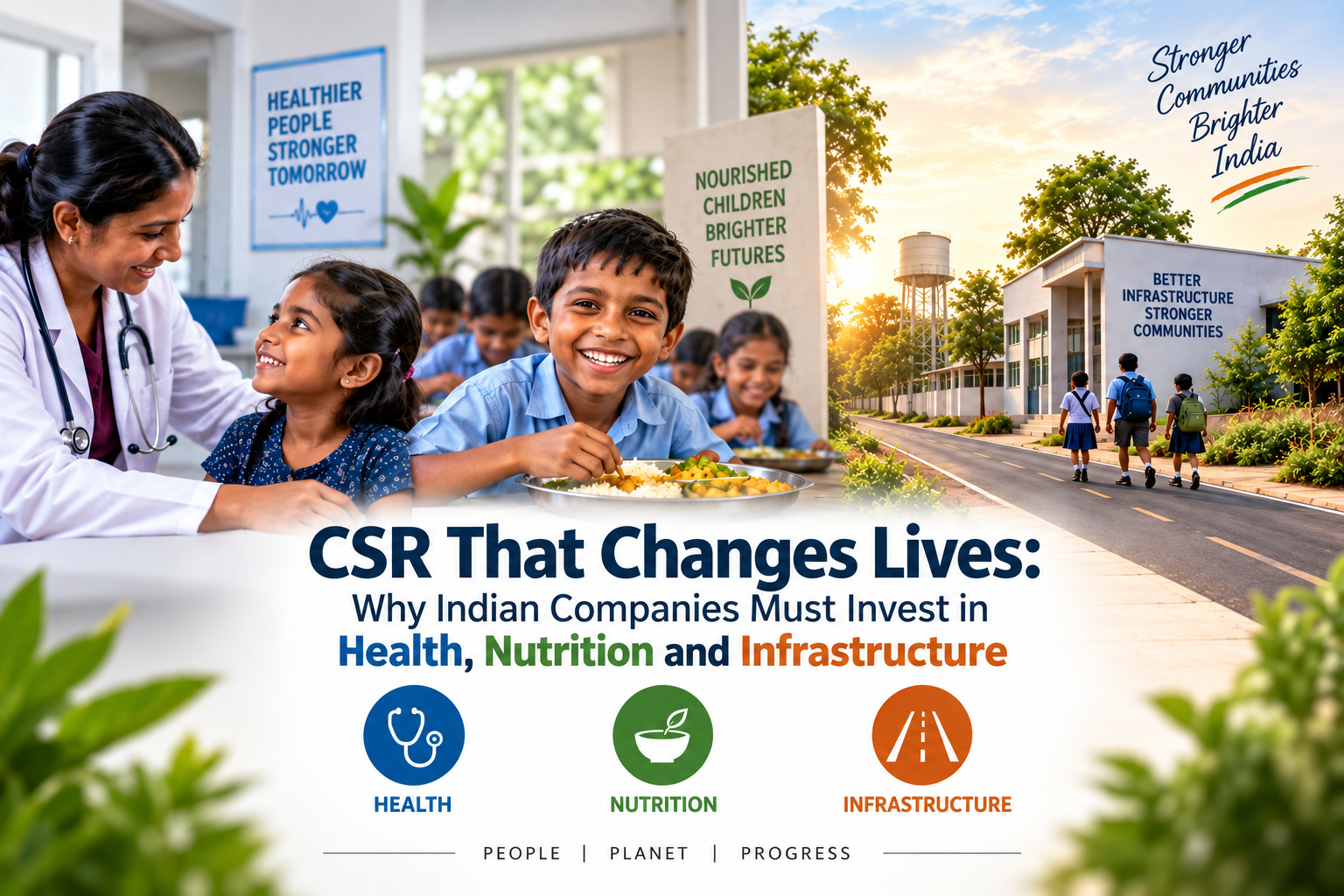
A company can build a factory in a village in a matter of months. It can construct a road, put up a school building, install a water tank or donate an ambulance and proudly announce the achievement.But what happens five years later?Is the health centre still functioning? Is the ambulance still on the road? Are children actually better nourished? Does the community have clean drinking water? Is the infrastructure being maintained? Has the project genuinely changed people’s lives?
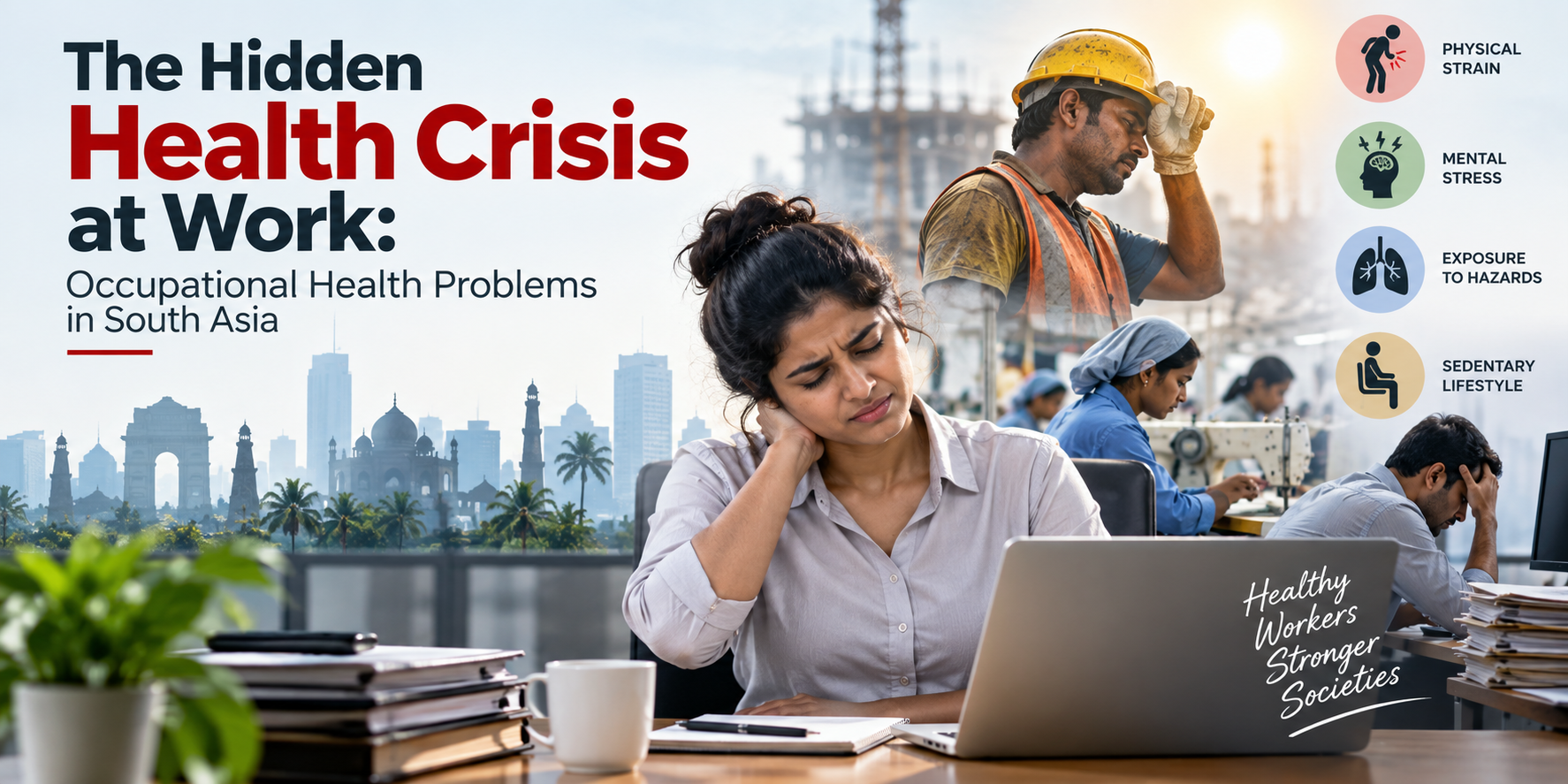
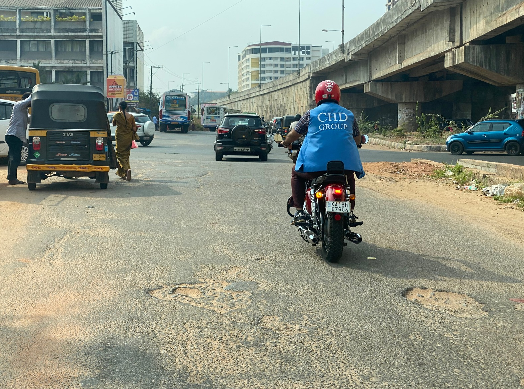
At 5:30 every morning, before most of the city has opened its eyes, a construction worker steps onto a crowded road and begins another day of work. He has worked on building sites for years. His hands are rough, his back frequently aches, and the dust from cement and concrete has become so familiar that he barely notices it anymore. There is no formal health check before his shift. There is no occupational physician asking about his breathing. If he does not work, he does not get paid.
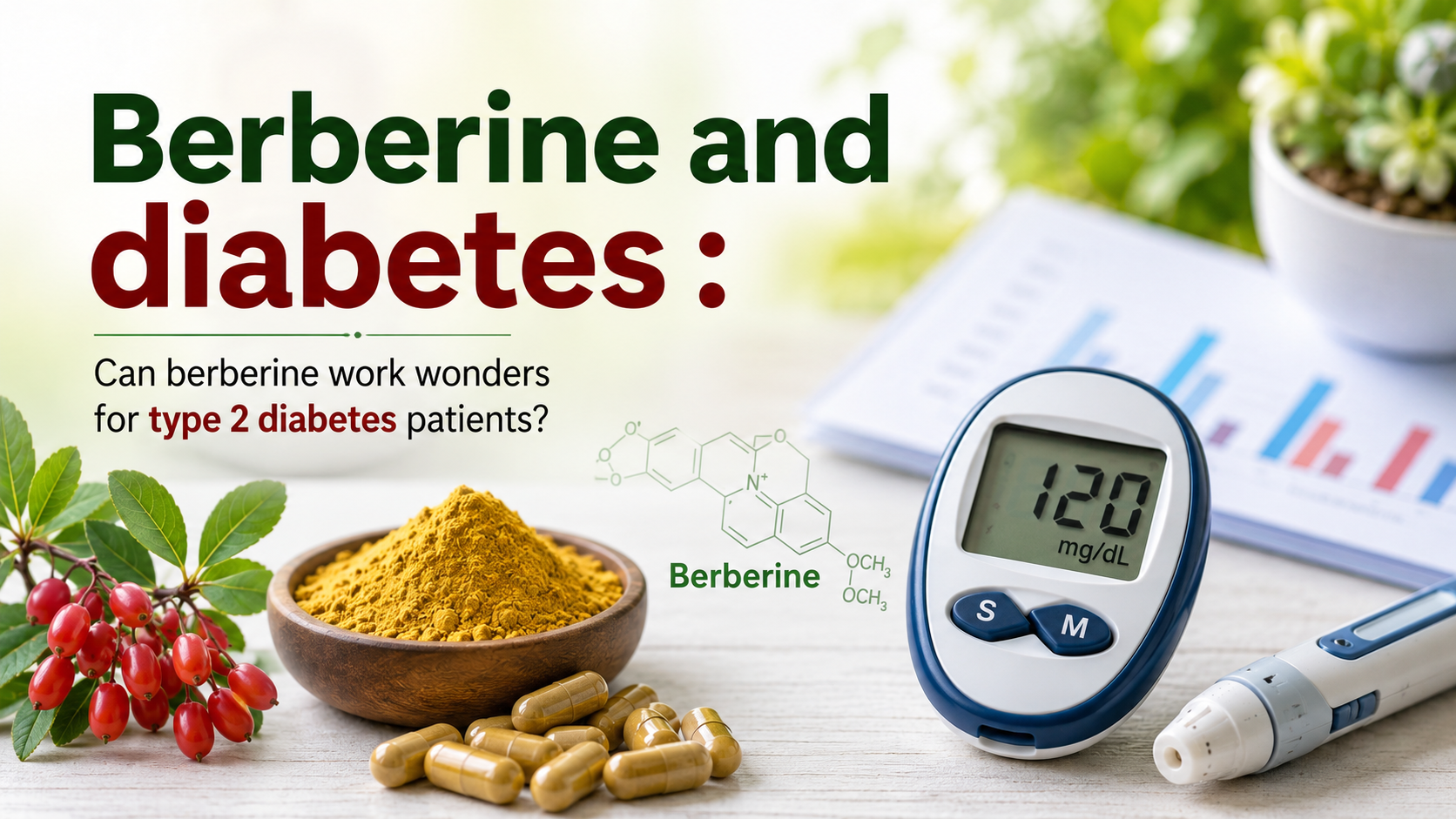
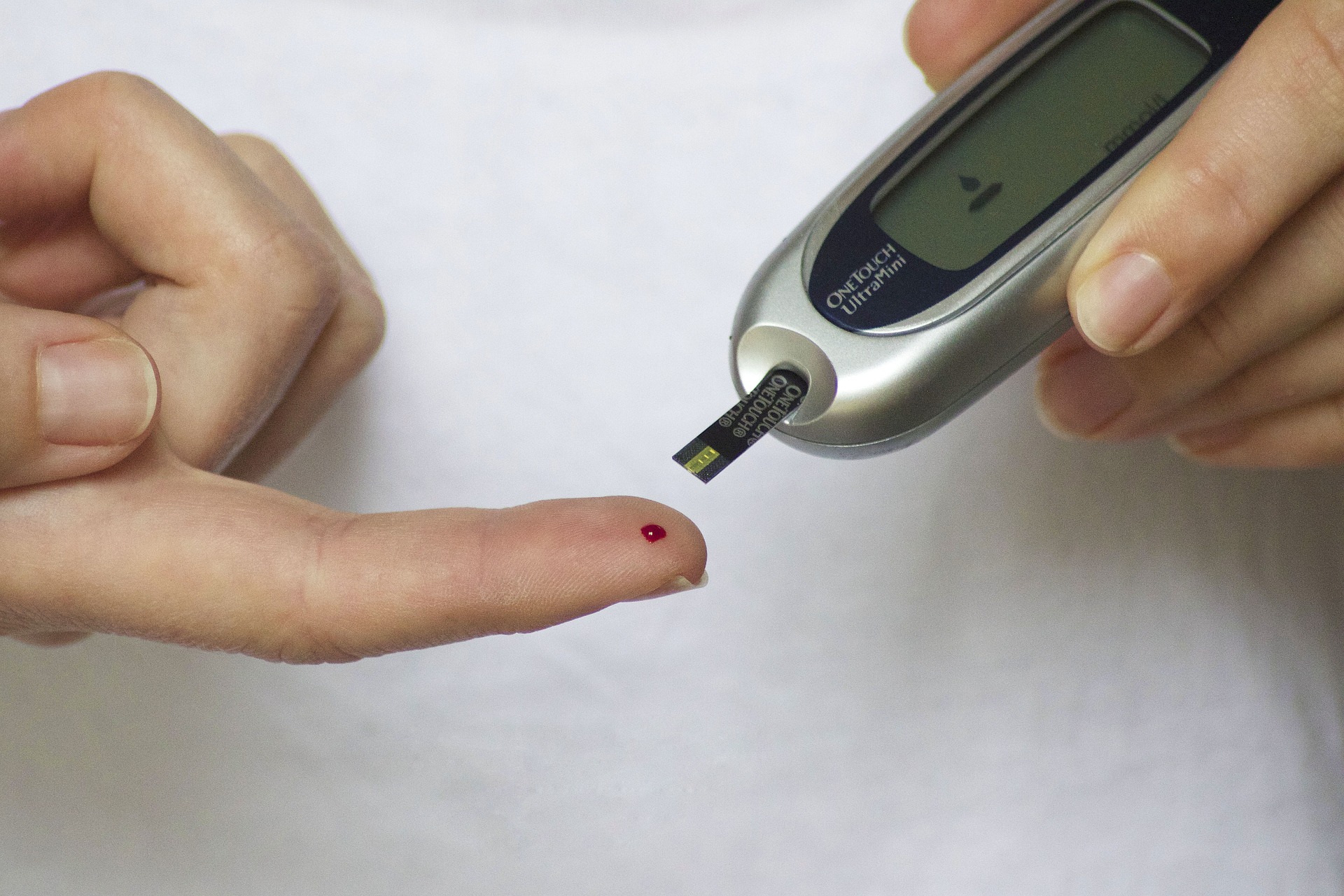
Diabetes management is no longer simply about taking a tablet and checking your blood sugar. For many people, it is a daily balancing act involving food, exercise, sleep, stress, medicines and regular monitoring. This is one reason why natural compounds such as berberine have attracted so much attention. But is berberine really useful for people with diabetes, or is it just another health trend promoted?