
Holding UNECOSOC Special Consultative Status
Holding UNECOSOC Special Consultative Status

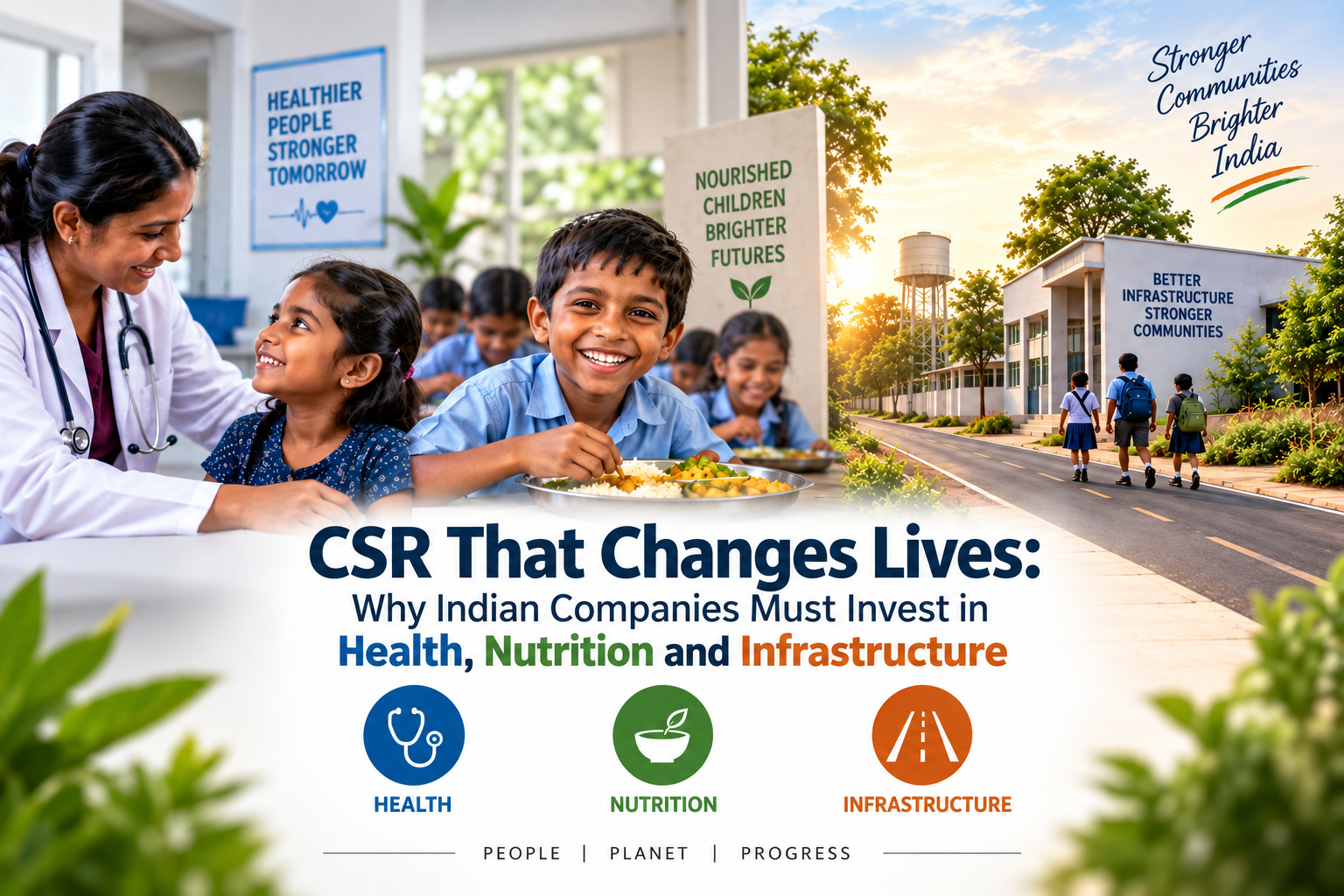
A company can build a factory in a village in a matter of months. It can construct a road, put up a school building, install a water tank or donate an ambulance and proudly announce the achievement.But what happens five years later?Is the health centre still functioning? Is the ambulance still on the road? Are children actually better nourished? Does the community have clean drinking water? Is the infrastructure being maintained? Has the project genuinely changed people’s lives?
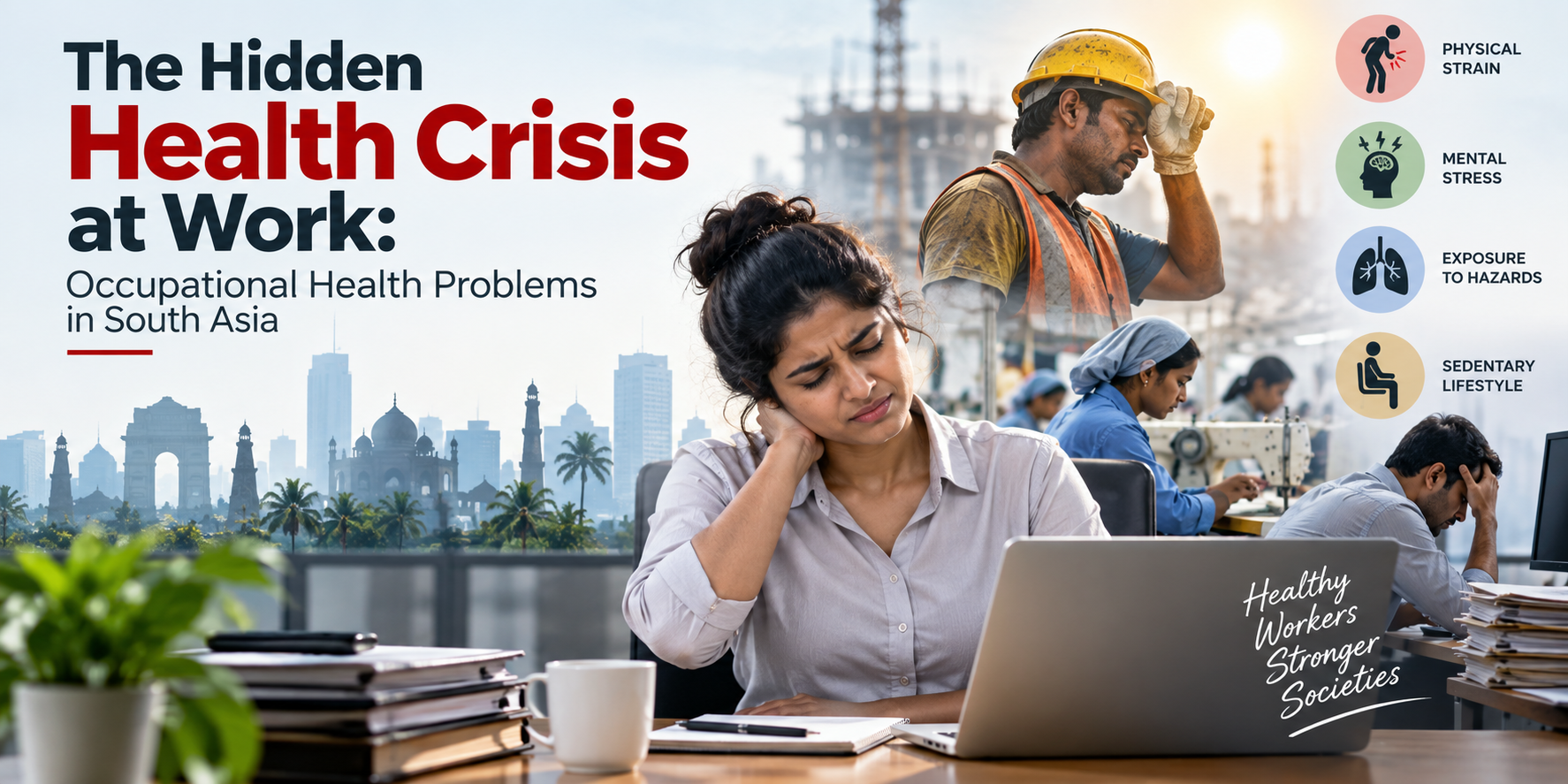
At 5:30 every morning, before most of the city has opened its eyes, a construction worker steps onto a crowded road and begins another day of work. He has worked on building sites for years. His hands are rough, his back frequently aches, and the dust from cement and concrete has become so familiar that he barely notices it anymore. There is no formal health check before his shift. There is no occupational physician asking about his breathing. If he does not work, he does not get paid.

Diabetes management is no longer simply about taking a tablet and checking your blood sugar. For many people, it is a daily balancing act involving food, exercise, sleep, stress, medicines and regular monitoring. This is one reason why natural compounds such as berberine have attracted so much attention. But is berberine really useful for people with diabetes, or is it just another health trend promoted?
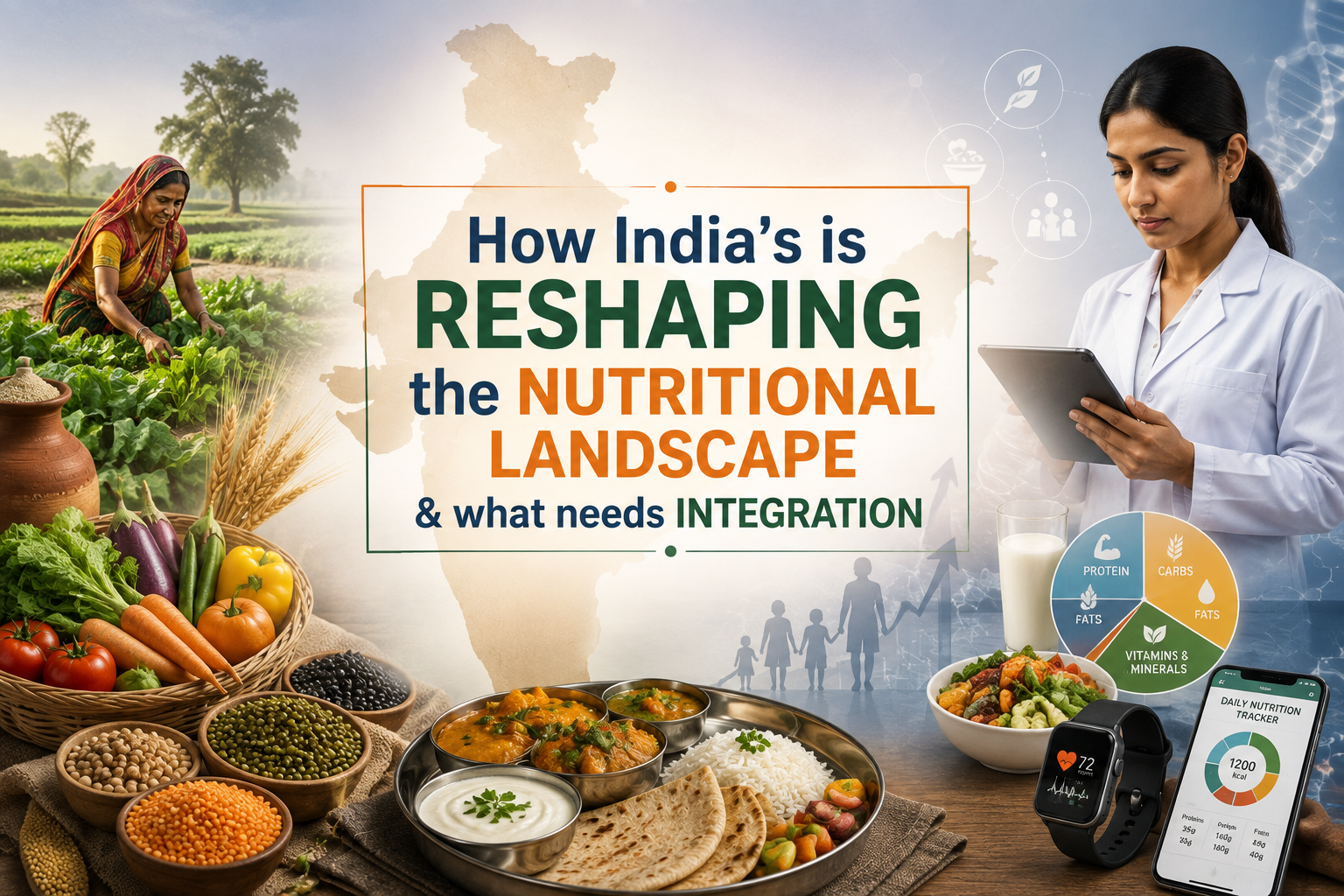
For decades, malnutrition sat quietly at the root of many of India's public health challenges, stunted growth in children, anaemia in mothers, and low birth weights that echoed across generations. In 2018, the government launched what is now known as POSHAN Abhiyaan (the National Nutrition Mission), later expanded into Mission POSHAN 2.0, with an ambitious goal: to make nutrition a national movement, not just a welfare scheme. Nearly a decade on, the initiative has visibly reshaped how India tracks, delivers, and thinks about nutrition, even as the deeper challenge of ending malnutrition remains unfinished.
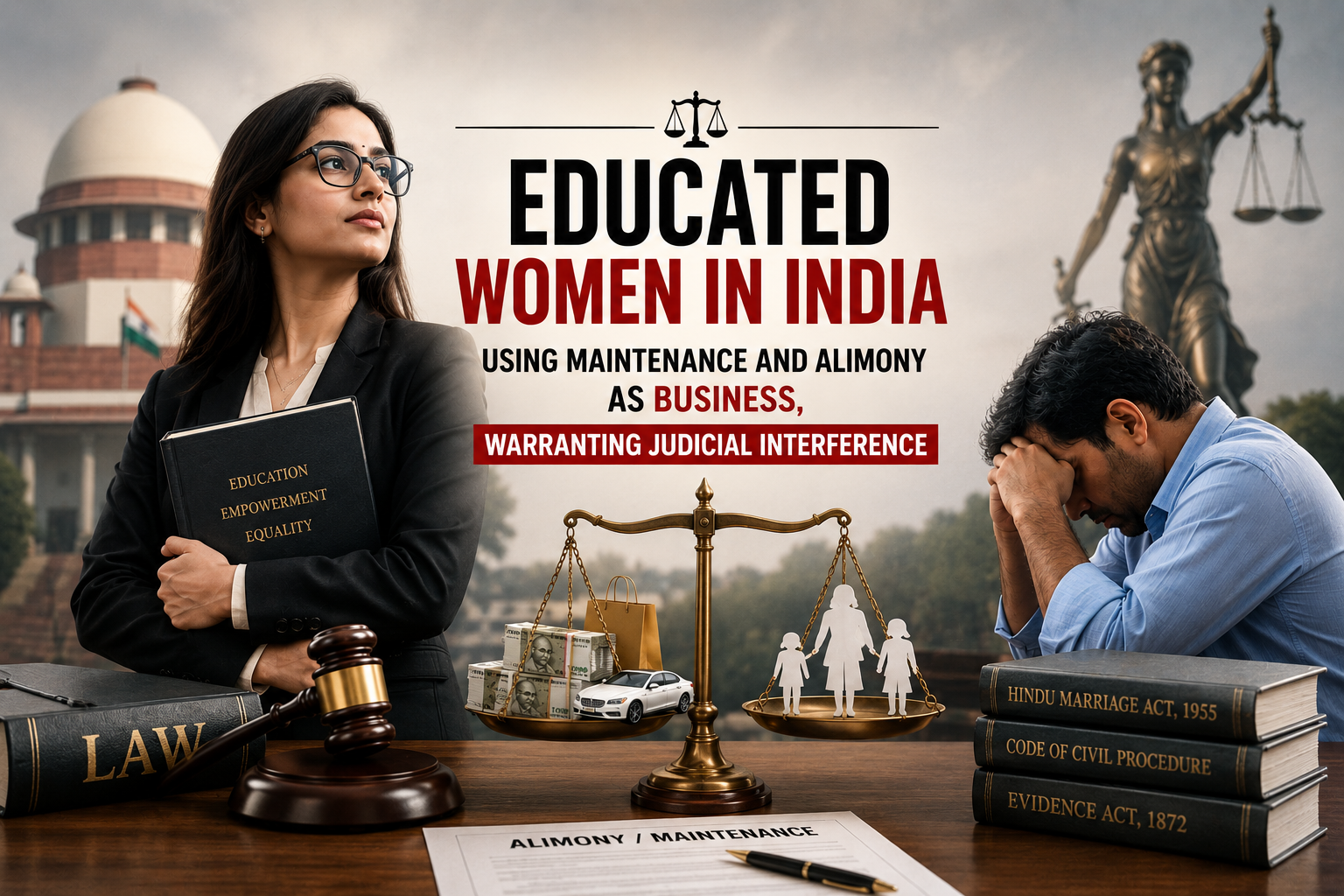
For decades, India's maintenance and alimony framework has rested on a simple, humane premise: usually a woman who left the workforce to raise children or run a household — should not be left destitute when that marriage ends. It is a principle rooted in Section 125 of the Code of Criminal Procedure, the Hindu Marriage Act, the Hindu Adoption and Maintenance Act, and the Special Marriage Act, and it has protected genuinely vulnerable women for generations, especially those who have children to care for.
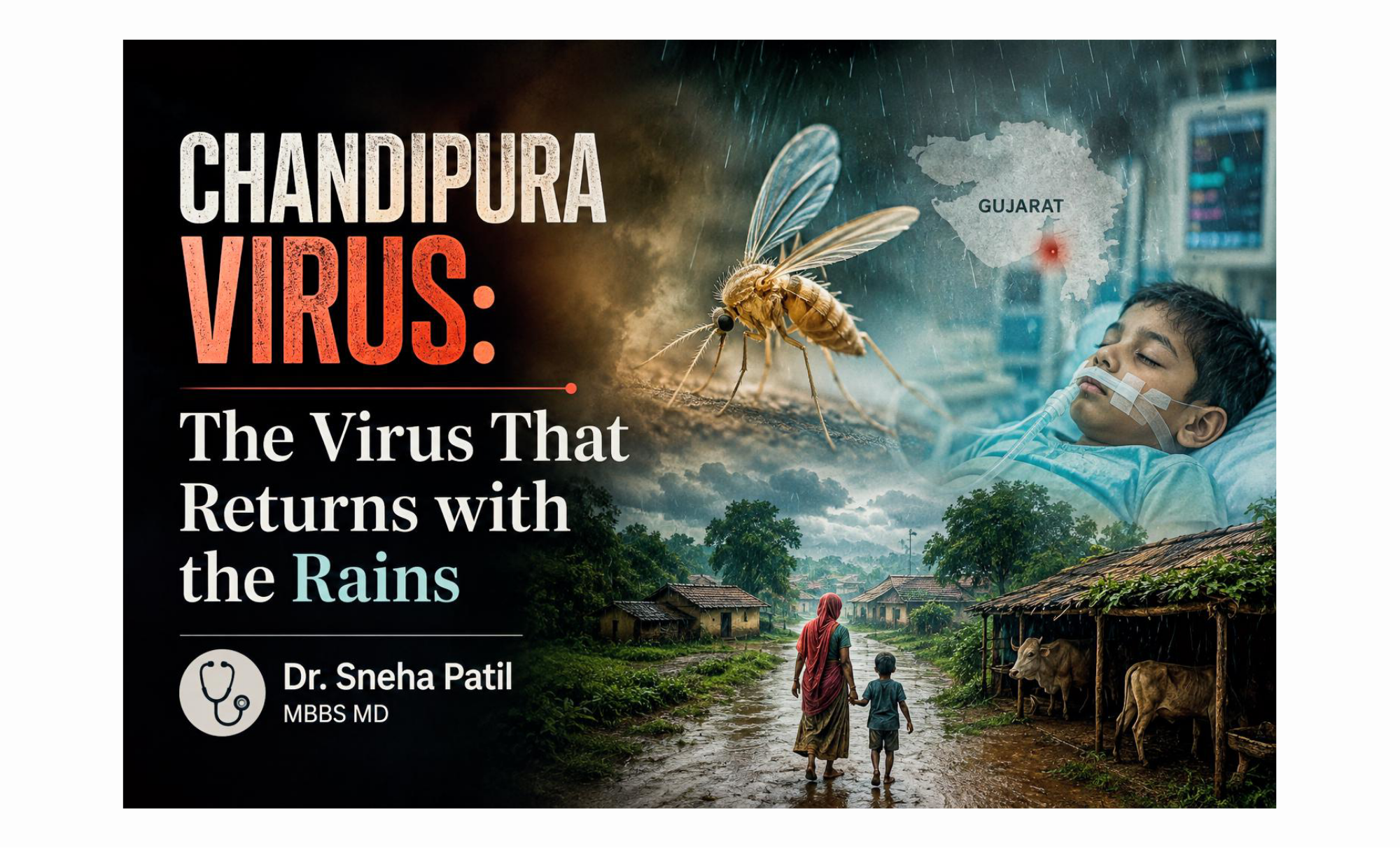
There are two stories to every outbreak. One is in the surveillance reports, laboratory confirmations, and epidemiologic curves. The other is set in hospital corridors, where anxious parents wait outside intensive care units, hoping that a fever that began only hours ago will not become a farewell. The recent outbreak of Chandipura virus in Gujarat is both.