
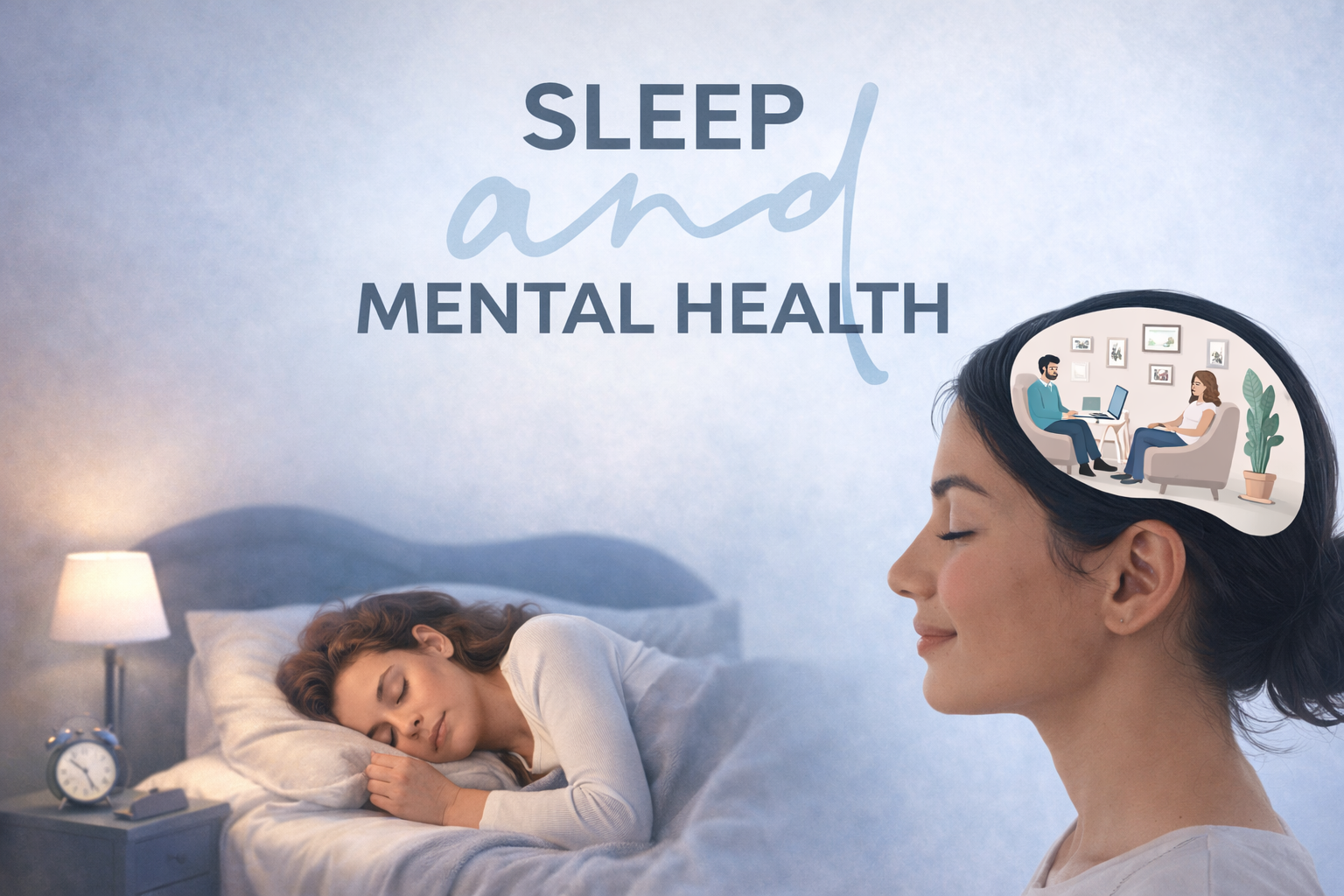
Sleep is often overlooked in discussions about mental health, yet it forms the foundation for emotional stability, cognitive sharpness, and overall psychological resilience. In our fast-paced world, where screens, stress, and irregular schedules dominate, poor sleep habits have become a silent contributor to rising mental health challenges.
The Bidirectional Link Between Sleep and Mental Health
Sleep and mental health share a complex, two-way relationship. Poor sleep can trigger or worsen conditions like depression and anxiety, while mental health issues frequently disrupt sleep patterns. Research shows that individuals with insomnia are approximately 10 times more likely to develop depression and 17 times more likely to experience anxiety compared to those without sleep problems. Sleep apnea similarly elevates these risks about threefold.
During deep sleep stages, the brain processes emotions, consolidates memories, and clears metabolic waste. Sleep deprivation impairs the prefrontal cortex, which regulates emotions, while heightening activity in the amygdala—the brain's fear center. This imbalance leads to increased irritability, heightened stress responses, and reduced ability to manage daily challenges. Short-term sleep loss amplifies negative emotions and diminishes positive ones, making even minor stressors feel overwhelming.
Longitudinally, chronic insufficient sleep (less than 7 hours for most adults) correlates with a higher risk of mood disorders. Studies indicate that young adults sleeping fewer than 8 hours face elevated risks for mental illness, with an optimal window around 8-9 hours showing the lowest risk in a U-shaped pattern. Over time, this can contribute to a vicious cycle: poor sleep fuels anxiety or low mood, which in turn makes falling or staying asleep harder.
How Poor Sleep Habits Undermine Mental Health
Inadequate sleep habits—such as irregular bedtimes, excessive screen time before bed, or caffeine late in the day—directly sabotage mental resilience. Sleep-deprived individuals often report frequent mental distress, with those averaging 6 hours or less per night facing about 2.5 times higher odds of ongoing psychological strain.
Cognitively, poor sleep hampers attention, learning, and decision-making. Emotionally, it reduces patience and increases impulsivity or mood swings. In extreme cases, persistent sleep issues predict the onset of psychiatric symptoms, sometimes preceding full episodes of depression or bipolar disorder. During high-stress periods, like the COVID-19 pandemic, disrupted sleep correlated strongly with elevated depression and anxiety levels.
Moreover, sleep supports neurochemical balance, including serotonin and dopamine regulation, which influence mood. Disruptions here can mimic or intensify symptoms of mental health disorders, creating a feedback loop that is difficult to break without intervention.
The Protective Power of Good Sleep Habits
Conversely, healthy sleep hygiene acts as a powerful buffer for mental health. Consistent sleep schedules, a cool and dark bedroom environment, limiting blue light exposure, and winding down with relaxing activities promote restorative sleep. Early bedtimes, even for natural "night owls," have been linked to better mental health outcomes in large population studies.
Quality sleep enhances emotional regulation, boosts resilience to stress, and improves overall mood. Interventions like Cognitive Behavioral Therapy for Insomnia (CBT-I) not only improve sleep but also significantly reduce depression and anxiety symptoms, with greater sleep gains yielding larger mental health benefits. Over 90% of adults with excellent sleep health report no significant depressive symptoms, compared to higher rates among poor sleepers.
Simple habits make a difference: aiming for 7-9 hours nightly, maintaining a routine, exercising regularly (but not too close to bedtime), and managing stress through mindfulness. These practices support brain repair processes, memory consolidation, and emotional processing, fostering clearer thinking and greater psychological balance.
Building Better Sleep for Lifelong Mental Wellness
Prioritizing sleep is not a luxury but a necessity for mental health. In an era where one in three adults and many teens fall short of recommended sleep, small changes in habits can yield profound results. Treating sleep problems often alleviates co-occurring mental health issues, breaking negative cycles and preventing escalation.
If sleep difficulties persist alongside mood challenges, consulting a healthcare professional is wise-options like CBT-I or addressing underlying conditions can be transformative. Ultimately, consistent sleep habits empower us to navigate life's demands with greater emotional strength, clarity, and joy.
By investing in restful nights, we invest in healthier minds. Start tonight: dim the lights, set a schedule, and let sleep work its restorative magic. Your mental health will thank you.