
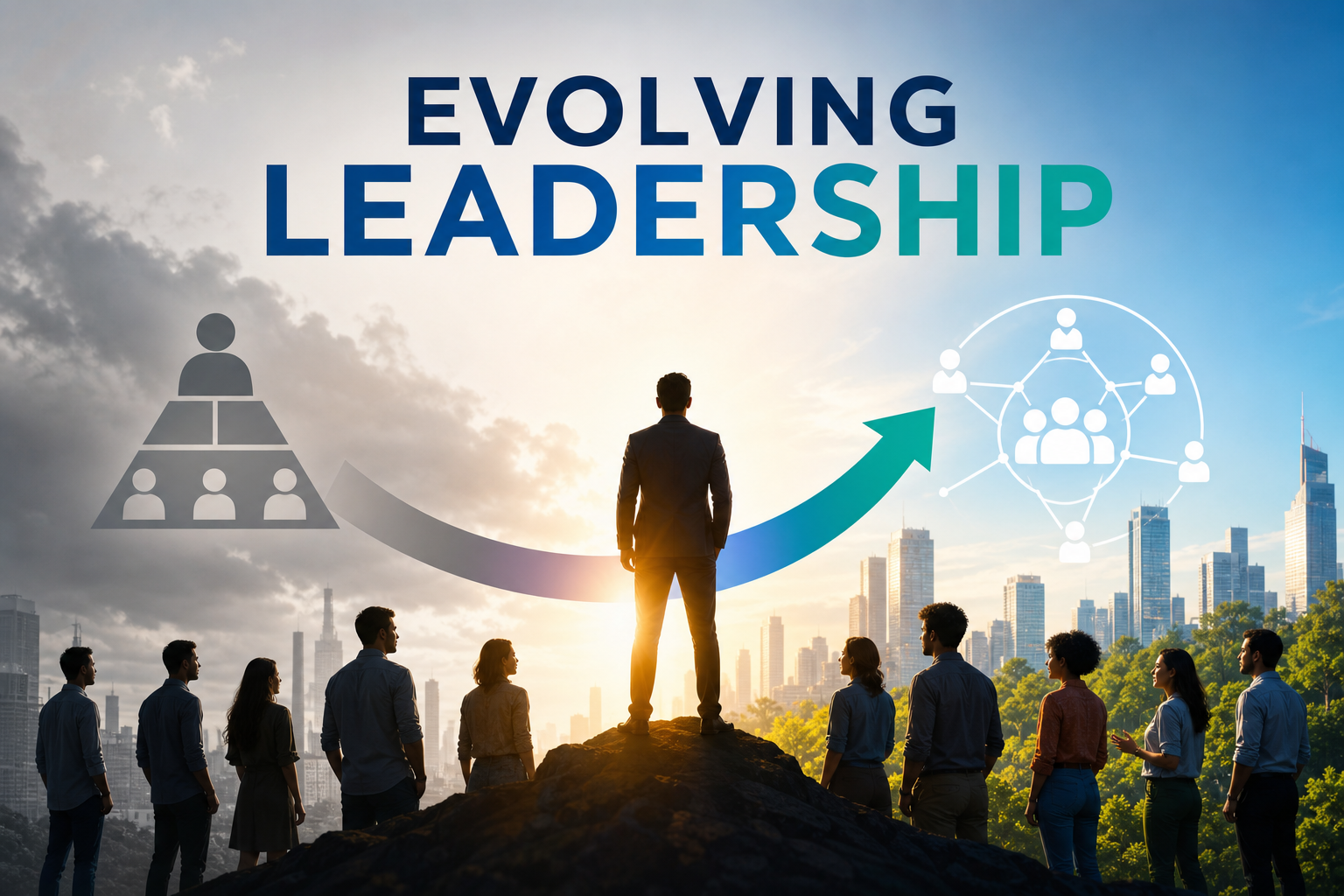
In an era defined by unprecedented volatility, leadership has undergone a profound transformation. Gone are the days when authority stemmed solely from hierarchical position or command-and-control tactics. Today’s leaders navigate a complex landscape shaped by rapid technological advancement, globalization, remote collaboration, and shifting societal expectations. Effective leadership now demands agility, emotional intelligence, and a deep commitment to purpose beyond profit.
The digital revolution stands as the most disruptive force reshaping leadership. Artificial intelligence, automation, and data analytics have accelerated decision-making while simultaneously raising ethical questions. Leaders must harness these tools without losing the human touch. For instance, during the COVID-19 pandemic, executives who successfully transitioned teams to remote work demonstrated not just technical proficiency but also empathy and clear communication. Those who thrived focused on outcomes rather than micromanaging presence, fostering trust in distributed environments. In 2026, hybrid and fully remote models remain standard, requiring leaders to master virtual influence and combat digital fatigue.
Modern leadership also emphasizes inclusivity and diversity. Organizations with diverse leadership teams consistently outperform their peers in innovation and financial returns. However, true inclusion goes beyond metrics—it involves creating cultures where psychological safety allows diverse voices to challenge the status quo. Leaders today must address generational differences, with younger employees prioritizing purpose, flexibility, and social impact. Gen Z and Millennials expect authenticity; they quickly disengage from leaders who fail to align actions with stated values. Authenticity has become a non-negotiable currency.
Emotional intelligence (EQ) has emerged as perhaps the most critical leadership skill. In a world saturated with information yet starved of genuine connection, leaders who demonstrate self-awareness, empathy, and relationship management build resilient teams. Research from organizations like Gallup and McKinsey highlights that empathetic leaders drive higher employee engagement, lower turnover, and better customer satisfaction. During economic uncertainty or geopolitical tensions, teams look to leaders not just for strategy but for stability and hope.
The ability to pivot quickly, whether responding to supply chain disruptions, regulatory changes, or shifting consumer preferences, separates thriving organizations from those that falter. Agile methodologies, once confined to tech teams, now influence entire enterprises. Leaders must cultivate a growth mindset, encouraging experimentation and learning from failure. This involves dismantling outdated hierarchies in favor of flatter, more collaborative structures where decision-making is decentralized.
Sustainability and ethical stewardship have also moved to the forefront. Stakeholders, including investors, employees, and consumers, demand that leaders address climate change, social justice, and corporate responsibility. ESG (Environmental, Social, Governance) criteria now influence capital allocation and talent attraction. Leaders who integrate sustainability into core strategy position their organizations for long-term success while contributing positively to society.
Yet, these demands create significant challenges. Leaders face burnout from constant connectivity and the pressure to maintain a public persona on social media. The line between personal and professional lives has blurred, requiring intentional boundaries and self-care practices. Mentorship, continuous learning, and peer networks become vital for sustaining effectiveness.
The future of leadership lies in “conscious leadership”—a blend of strategic vision, technological fluency, and profound humanity. It requires balancing short-term results with long-term impact, profit with purpose. Leaders who succeed will not merely manage change but inspire it, creating organizations that are both high-performing and deeply human.
As we move deeper into the 21st century, the most effective leaders will be those who empower others, embrace complexity, and lead with courage and compassion. In modern times, leadership is no longer about being the smartest person in the room—it is about creating rooms where collective intelligence flourishes.