
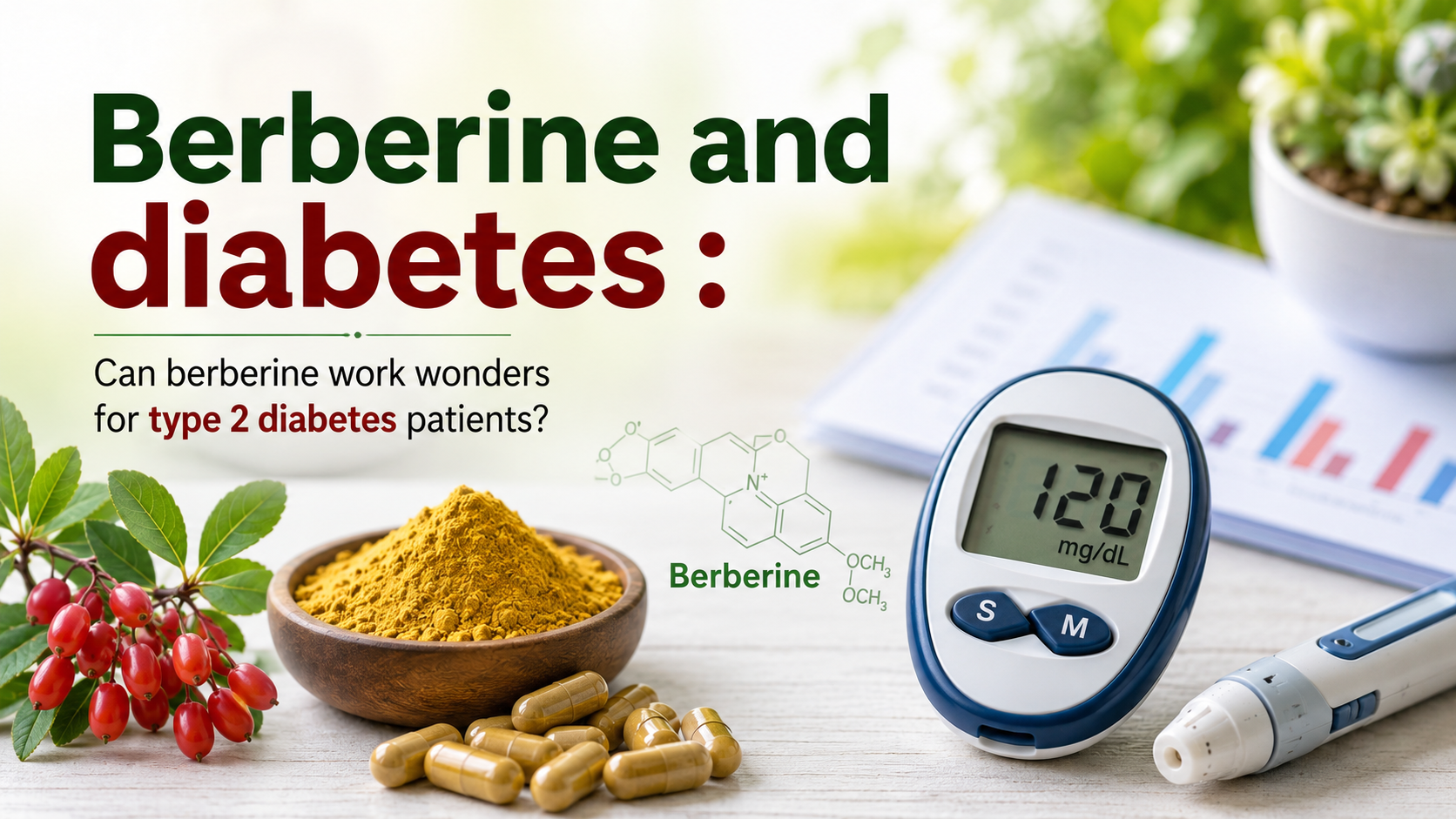
Diabetes management is no longer simply about taking a tablet and checking your blood sugar. For many people, it is a daily balancing act involving food, exercise, sleep, stress, medicines and regular monitoring. This is one reason why natural compounds such as berberine have attracted so much attention. But is berberine really useful for people with diabetes, or is it just another health trend promoted?
Berberine is a naturally occurring compound found in plants such as barberry, goldenseal and tree turmeric. It has been used in traditional systems of medicine for centuries. Today, researchers are studying its possible effects on blood glucose, insulin resistance and cholesterol.
What makes berberine interesting?
One of the reasons berberine has attracted scientific interest is its potential effect on glucose metabolism and insulin sensitivity. Some clinical studies suggest that berberine may help the body handle glucose more effectively and may improve certain metabolic parameters.A meta-analysis of 37 randomized controlled trials involving more than 3,000 people with type 2 diabetes found that berberine was associated with reductions in fasting blood glucose, HbA1c and post-meal blood glucose.More recent evidence is also encouraging. A 2024 systematic review and meta-analysis involving 50 randomized trials and 4,150 participants found that berberine, particularly when used alongside glucose-lowering medicines, was associated with improvements in fasting glucose, post-meal glucose and HbA1c, as well as several lipid measures. These findings are interesting—but they need to be interpreted responsibly.
Berberine is not a replacement for diabetes medicine but an adjunct therapy
This is perhaps the most important message.Having a "natural" label does not automatically make something safer or more effective than prescription medicine. The U.S. National Center for Complementary and Integrative Health notes that evidence for berberine's effect on diabetes is promising but still limited by differences in study quality, formulations, doses and participants.Therefore, a person taking metformin, insulin or another diabetes medication should never stop or replace their prescribed treatment with berberine alone without medical advice.
What about side effects?
Berberine is generally tolerated by many adults, but it is not completely risk-free. Some people experience nausea, abdominal discomfort, bloating, constipation or diarrhoea. It can also interact with medicines, so anyone taking regular medication should discuss its use with a doctor or qualified healthcare professional.
It should not be used during pregnancy or breastfeeding, and it should not be given to infants because of potential risks related to bilirubin.
The bigger picture
For someone living with diabetes, there is no single super supplement. Working with your preventive medicine consultant is the only choice to reverse type 2 Diabetes.
Blood sugar control is built through a combination of appropriate medication, nutritious food, physical activity, healthy weight management, adequate sleep and regular medical follow-up.
Berberine may have a place in that conversation because early clinical evidence suggests it can influence glucose and metabolic health. But the science is still evolving.
The smartest approach is neither to dismiss berberine nor to call it a miracle.