
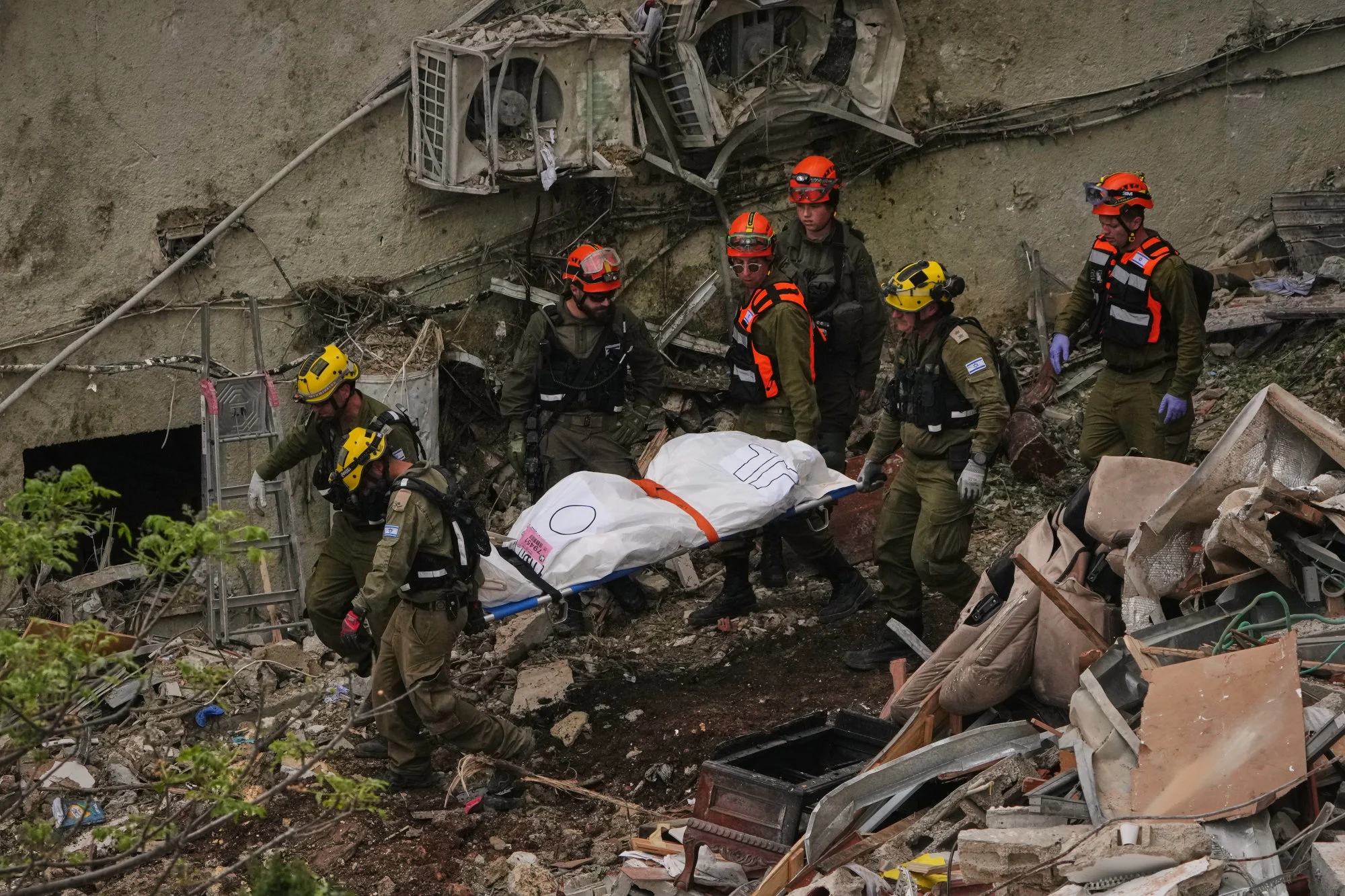
The military confrontation between the United States and Iran is often viewed through the lenses of geopolitics, military strategy, and energy security. However, one of its least discussed yet most profound consequences is its impact on global health. Modern conflicts extend far beyond battlefields, creating ripple effects that influence health systems, humanitarian assistance, food security, mental well-being, infectious disease control, environmental safety, and international public health cooperation. As global health becomes increasingly interconnected, regional conflicts have consequences that transcend national borders having global health consequences of large proportions.
One of the immediate public health impacts of the armed conflict is the disruption of healthcare delivery. Hospitals, clinics, emergency medical services, and pharmaceutical supply chains often become overwhelmed or damaged during military escalation. Healthcare professionals may be displaced, injured, or unable to report to work due to security concerns.
Essential services such as maternal healthcare, childhood immunization, chronic disease management, and emergency surgeries are interrupted. Patients with diabetes, cardiovascular diseases, cancer, or kidney failure are particularly vulnerable when access to medications and specialized care becomes limited.
Conflict also weakens disease surveillance systems that are essential for identifying outbreaks early. Public health laboratories may cease functioning, vaccination campaigns may be suspended, and disease reporting networks may collapse. Such disruptions increase the risk of outbreaks of vaccine-preventable diseases, respiratory infections, diarrheal illnesses, and vector-borne diseases. In an era shaped by lessons from the COVID-19 pandemic, weakened surveillance in one region poses a risk to global health security through international travel and migration.
Mental health consequences represent another significant burden. War-related anxiety, uncertainty, displacement, and exposure to violence contribute to higher rates of depression, post-traumatic stress disorder (PTSD), anxiety disorders, and substance abuse. These effects are not limited to combatants. Civilians, particularly women, children, older adults, and healthcare workers, experience prolonged psychological trauma that may persist for years after hostilities cease. Refugees and displaced populations often require extensive psychosocial support, yet mental health services are frequently among the first to become inaccessible during conflict.
The US Iran conflict also threatens global energy markets, indirectly affecting health outcomes worldwide. The Middle East remains a critical source of global oil supplies, and tensions in the region frequently lead to increased fuel prices. Rising energy costs elevate transportation expenses, increase the cost of medical supplies, and strain healthcare budgets in both high-income and low-income countries. Developing nations that rely heavily on imported fuel face difficult choices between financing healthcare, education, and essential social services.
Food security is another casualty of geopolitical instability. Increased transportation costs, disrupted shipping routes, and inflation contribute to higher food prices. Vulnerable populations experience worsening nutrition, particularly children and pregnant women. Malnutrition weakens immune systems, increases susceptibility to infectious diseases, and contributes to long-term developmental challenges. Global humanitarian organizations may also face logistical challenges in delivering food aid to conflict-affected populations.
Environmental health consequences often receive insufficient attention. Military operations generate air pollution, water contamination, hazardous waste, and destruction of critical infrastructure. Damage to industrial facilities or oil installations may release toxic chemicals into the environment. Contaminated water sources increase the risk of waterborne diseases, while air pollution contributes to respiratory illnesses, cardiovascular diseases, and adverse pregnancy outcomes. Long after active conflict ends, environmental contamination can continue affecting communities for decades.
Humanitarian crises frequently emerge during prolonged geopolitical tensions. Population displacement places enormous pressure on neighboring countries' healthcare systems. Refugee camps often struggle with overcrowding, poor sanitation, inadequate clean water, and limited healthcare services, creating favorable conditions for outbreaks of infectious diseases such as measles, cholera, and tuberculosis. Women and children remain particularly vulnerable to gender-based violence, reproductive health complications, and interrupted education.
Global pharmaceutical supply chains may also experience disruption. Many medications depend on complex international manufacturing and transportation networks. Political instability, sanctions, shipping delays, and increased insurance costs can limit access to essential medicines. Healthcare facilities around the world may experience shortages of critical drugs, medical devices, and diagnostic equipment. Such shortages can delay treatment for millions of patients unrelated to the conflict itself.
The diversion of financial resources from health to defence further compounds these challenges. Governments facing heightened security concerns often increase military expenditures while slowing investments in healthcare infrastructure, disease prevention, public health preparedness, and biomedical research. This opportunity cost can weaken progress toward achieving universal health coverage and the health-related targets of the United Nations Sustainable Development Goals (SDGs).
International public health collaboration may also suffer. Political tensions can undermine scientific partnerships, data sharing, humanitarian negotiations, and coordinated responses to emerging infectious diseases. Effective management of future pandemics depends upon trust, transparency, and international cooperation. Geopolitical polarization threatens these essential foundations of global health governance.
Economic uncertainty associated with regional conflict contributes to broader health inequalities. Inflation, unemployment, and financial market instability disproportionately affect vulnerable populations. Families experiencing economic hardship may delay seeking healthcare, reduce nutritious food consumption, or discontinue medications due to cost. These indirect health effects often exceed the immediate casualties associated with armed conflict.
The experience of recent global crises demonstrates that health security cannot be separated from geopolitical stability. Investments in resilient healthcare systems, emergency preparedness, humanitarian diplomacy, and conflict-sensitive public health planning have become essential components of national and international security. International organizations, governments, academic institutions, and civil society must strengthen mechanisms for protecting healthcare workers, preserving essential medical services during crises, and ensuring uninterrupted humanitarian access.
The US Iran conflict illustrates how modern warfare extends well beyond military engagement, influencing health outcomes across continents. Disrupted healthcare systems, mental health crises, infectious disease risks, food insecurity, environmental degradation, pharmaceutical shortages, and weakened international cooperation collectively place additional stress on global health. Recognizing health as both a humanitarian imperative and a pillar of global security is essential for mitigating the long-term consequences of geopolitical conflict. Future peacebuilding efforts should therefore integrate public health protection alongside diplomatic, economic, and security initiatives, ensuring that the health of populations remains central to international policy and sustainable development.
This article is brought forth by the Edward Center for Sustainable Development – a flagship of the Edward & Cynthia Institute of Public Health